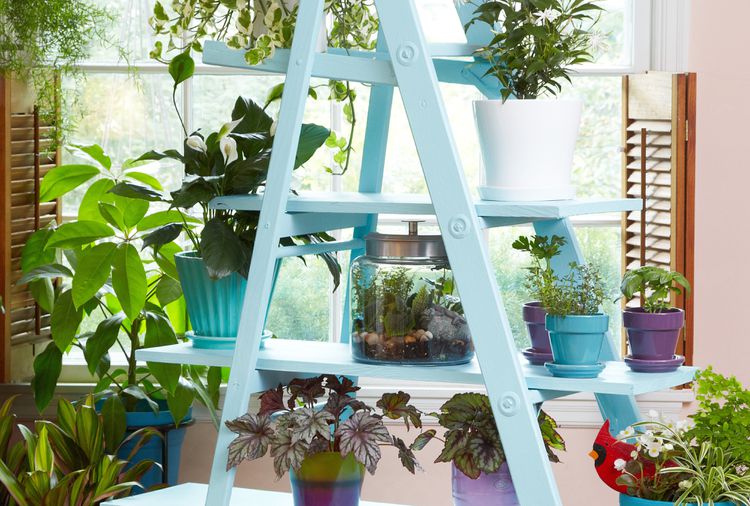
How to Fertilize Indoor Plants for the Lushest Growth

6.6K
65
16
2025-10-21
How to Fertilize Indoor Plants for the Lushest Growth

How to fertilize indoor plants properly is an often misunderstood but essential maintenance task, whether you're growing tropicals or succulents or orchids in your home. All plants require nutrients to grow, and houseplants are no exception. Over time and with regular watering, nutrients are either washed from the potting soil or used up, leaving your plants without the vital elements they need to thrive. Here's when and how to fertilize indoor plants so you can keep everything green and growing.

Types of Fertilizers for Indoor Plants

There are two primary types of fertilizers to consider: synthetic and organic. It is often said that synthetic fertilizers feed the plant while organic fertilizers feed the soil. 

Synthetic

Synthetic fertilizers are produced from ammonia, natural gas, and various mineral sources. These fertilizers are synthesized to exacting requirements and specific N-P-K ratios (that stands for nitrogen, phosphorus, and potassium) so that growers can target the exact needs of the plants. High-quality synthetic fertilizers usually contain trace amounts of micronutrients (the nutrients plants need in really tiny amounts) as well.

When using synthetic fertilizers, be careful that you don't end up over-fertilizing your plants (known as fertilizer burn), due to the high amounts of nutrients the synthetic fertilizers are formulated to provide. As with all fertilizers, always follow the mixing instructions on the product label.

Because synthetic fertilizers are produced using large amounts of chemicals and applied heavily on industrial farms, golf courses, and home gardens, they can (and do) create issues with runoff into waterways. Uncontrolled runoff can cause environmental harm, and care should be taken to avoid excess use.

Organic

Organic fertilizers are derived from natural ingredients that may or may not be organically sourced themselves. These fertilizers are commonly derived from agricultural or industrial byproducts, such as manure, bone meal, and blood meal, but others, including kelp and worm castings, are intentionally harvested.

Organic fertilizers are touted as a more sustainable option than synthetic types of fertilizer because they are easier on both the environment and the gardens or plants on which they are applied. Another benefit of organic fertilizers is that because of their biological sourcing, they are loaded with many macronutrients and micronutrients, better ensuring that when you feed your plants, they receive a broad range of the nutrients they need. 

While organic fertilizers are excellent sources of nutrients, they tend to come in lower strengths than inorganic fertilizers; because of that, they are less likely to burn plants.

Pet owners should note that due to the slight fragrance from organic fertilizers, dogs and cats often find them irresistible, leading to uprooted plants and broken pots.

Acidifying Fertilizers

A sub-type of fertilizer that is worth mentioning is soil-acidifying fertilizers. These are usually—but not always—synthetic fertilizers that contain the same kinds of macronutrients and micronutrients found in other fertilizers. However, they also contain soil-acidifying ingredients to promote proper growth in plants that require acidic soils. Unless your plants specifically require acidic soils, it is best to avoid using these products.

When to Fertilize Indoor Plants

Knowing when to fertilize the plants is as important as choosing the type of fertilizer. Many plants grow in cycles in their natural environments. Under certain conditions, such as dry periods or cold weather, they slow their growth until conditions become favorable again. While conditions in the home do not typically fluctuate as much as they might outdoors, our homes and personal schedules act on indoor plants, creating less-than-ideal growing conditions.

When plants are under stress, or going through dormancy, they grow slower and require fewer nutrients. Fertilizing dormant plants can be detrimental to their health by inundating them with nutrients they are unable to use. This over-fertilizing can lead plants to become sickly or die—especially when they are young or already weak.

To play it safe, only fertilize plants when they are actively growing or flowering. Actively growing plants produce lots of new leaves, stems, flowers, and roots, which all need certain nutrients to develop properly.

Tips for Fertilizing Houseplants

Fertilizers come in many forms, including liquid, granular, and water-soluble, and each has a specific use. In addition to fertilizers meant to be absorbed by plants relatively quickly, many release nutrients into the potting soil over one to six months. These slow-release fertilizers are great long-term feeders, but they require moisture to work effectively. 

Between feedings, it is important to water plants thoroughly to avoid a buildup of minerals in and around the roots. Ensure all the plant containers have holes in the bottom to allow excess water to drain out.

Regardless of the type of fertilizer you choose, follow the instructions listed on the label and dispose of any excess, outdated, or otherwise unused fertilizers properly. 

Fertilizing plants is as much an art as it is a science and essential to good, healthy growth of potted plants. Once you get the hang of it, the process becomes second nature.

Frequently Asked Questions

  • How often should indoor plants be fertilized?

    During periods of active growth, fertilizing your plants with a liquid fertilizer every three to four weeks should be more than enough to keep your plants healthy. Always follow the directions on your fertilizer package for proper application rates.

  • Should you fertilize houseplants during winter?

    Because most houseplants are tropical and tend to grow on and off throughout the year in a warm, well-lit home, you can fertilize your plants throughout the winter while they are actively growing.

Related Article

Are Begonias Perennials or Annuals? Here’s What to Know
5.8K
115
41

Are Begonias Perennials or Annuals? Here’s What to Know

If you’re not sure whether begonias are perennials or annuals, we have answers. Most begonias won’t survive winters, but indoor plants can live for years.
How to Plant and Grow Pineapple Lily
47.8K
1.9K
955

How to Plant and Grow Pineapple Lily

Find essential information for growing pineapple lily, a tropical tender bulb with tall, pineapple-like flower spikes.
How to Plant, Grow, and Care for Korean Rock Ferns
46K
1.4K
440

How to Plant, Grow, and Care for Korean Rock Ferns

Learn how to grow and care for Korean rock ferns indoors and out in the garden. Get essential tips on light, watering, fertilizing, and more.
How to Prune Hydrangeas for a Burst of Growth and Color
29.1K
2.3K
232

How to Prune Hydrangeas for a Burst of Growth and Color

The best way to care for hydrangeas depends on the type you have. Learn how to prune hydrangeas, from bigleaf to panicle, to get gorgeous blooms.
Grow Dusty Miller With This Complete Guide
30.7K
613
288

Grow Dusty Miller With This Complete Guide

Dusty miller is an easy-to-grow plant that adds a splash of silver to garden beds and containers. Keep dusty miller thriving with this care guide.
Best Tropical Flowers for Your Patio
28.9K
578
121

Best Tropical Flowers for Your Patio

Outdoor tropical flowering plants can help add drama to your patio. You can leave them outdoors and treat them like annuals, or keep them over winter as houseplants.
How to Propagate ZZ Plants to Grow Your Houseplant Collection
33.5K
670
261

How to Propagate ZZ Plants to Grow Your Houseplant Collection

Follow these simple tips and learn how to propagate ZZ plants from stem cuttings, leaf cuttings, and root division.
How to Plant and Grow Philodendron
11.6K
581
145

How to Plant and Grow Philodendron

Find growing information on philodendron, the perfect houseplant for new plant owners.
Here's What to Plant with Geraniums for Pretty Summer Containers
32.6K
2.6K
443

Here's What to Plant with Geraniums for Pretty Summer Containers

Learn what to plant with geraniums in containers to start a gorgeous container garden. These colorful plants combine well with many other flowers.
Gorgeous Spring Container Gardens
43.3K
3.5K
1.4K

Gorgeous Spring Container Gardens

Celebrate the gardening season with container garden ideas. Buckets, baskets, and spring planting boxes all help create space for a new transition.
How to Make a Pumpkin Succulent Centerpiece
37.5K
3.7K
1K

How to Make a Pumpkin Succulent Centerpiece

Use these simple step-by-step instructions for creating a fall pumpkin succulent planter centerpiece to decorate your dining room table all season.
How to Plant a Wheelbarrow Fairy Garden
43.1K
3.9K
1.8K

How to Plant a Wheelbarrow Fairy Garden

Create a charming miniature landscape in a vintage wheelbarrow that you can move about as you like.
How to Plant Window Boxes Like a Pro
16.8K
504
136

How to Plant Window Boxes Like a Pro

Learn how to plant window boxes, including ideas for what to plant and essential planting tips.
29 of the Best Plants for Trough Gardens
30.7K
2.1K
859

29 of the Best Plants for Trough Gardens

Raised troughs are a great way to grow small drought-tolerant perennials, succulents, and alpine plants. Here are some of the best.
10 Best Lettuce Companion Plants to Grow Together
36K
1.4K
475

10 Best Lettuce Companion Plants to Grow Together

Save space in your garden and grow more fresh produce with these 10 best lettuce companion plants.
Is Parsley a Perennial That Will Grow Back Each Year?
23.7K
709
198

Is Parsley a Perennial That Will Grow Back Each Year?

The answer to the question, "Is parsley a perennial?" is yes and no. Find out what you need to know to get the most of this popular biennial herb in your garden.
How to Plant and Grow Corn in Your Garden
45.9K
2.3K
275

How to Plant and Grow Corn in Your Garden

This guide on how to grow corn includes all the basics on planting, care, pests, harvesting, and best types to grow so you can enjoy the sweetest, freshest ears right from your own garden.
How to Grow Strawberries in Pots
5.2K
156
51

How to Grow Strawberries in Pots

From the best planters to the best plants, this guide includes everything you need to know to grow strawberries in pots.
How to Propagate Rosemary in Soil or Water
41.9K
2.1K
984

How to Propagate Rosemary in Soil or Water

Learn how to propagate rosemary plants from stem cuttings either in soil or water with these step-by-step instructions.
8 Tips for Growing Mint Indoors for a Year-Round Supply of Fresh Leaves
10.6K
952
285

8 Tips for Growing Mint Indoors for a Year-Round Supply of Fresh Leaves

These tips for growing mint indoors include how much light to give them, how frequently to water, and other essential information for the best plants.