Take the Guesswork Out of Pruning Fruit Trees with These 9 Tips

28.8K
2.9K
747
2025-11-03
Take the Guesswork Out of Pruning Fruit Trees with These 9 Tips

Fruit tree pruning is probably one of the most neglected garden chores. The reason for that is simple—it’s often avoided because you might not even know where to start. Or maybe you didn't even know that pruning fruit trees is an important part of producing a good harvest. These 9 straightforward tips will help take the mystery out of the process and help you care for your fruit trees better. If you're not sure about when to prune or where to make your cuts, you'll find all of that and more below. You'll be wielding your pruning tools with much more confidence in no time.

1. Prune in Late Winter

The best time to prune is late winter or early spring before the tree begins to produce new leaves and after the coldest winter weather passes. Bare branches in late winter make it easy to see a tree’s structure. Before starting a pruning job, stand back and analyze the tree’s branching. Strong trees are generally symmetrical and have wide branch angles. A wide branch angle is formed when a branch grows from the trunk at a 45 to 60 degree angle. Prune away branches with narrow branch-to-trunk angles. Examine the leafless tree for dense interior growth. Look for branches that can be removed to let more light into the interior of the tree.

Test Garden Tip: Disinfect your pruning tools with a 10% bleach solution before you begin. It's also a good idea to clean them off between trees to avoid spreading any diseases.

2. Let Light In

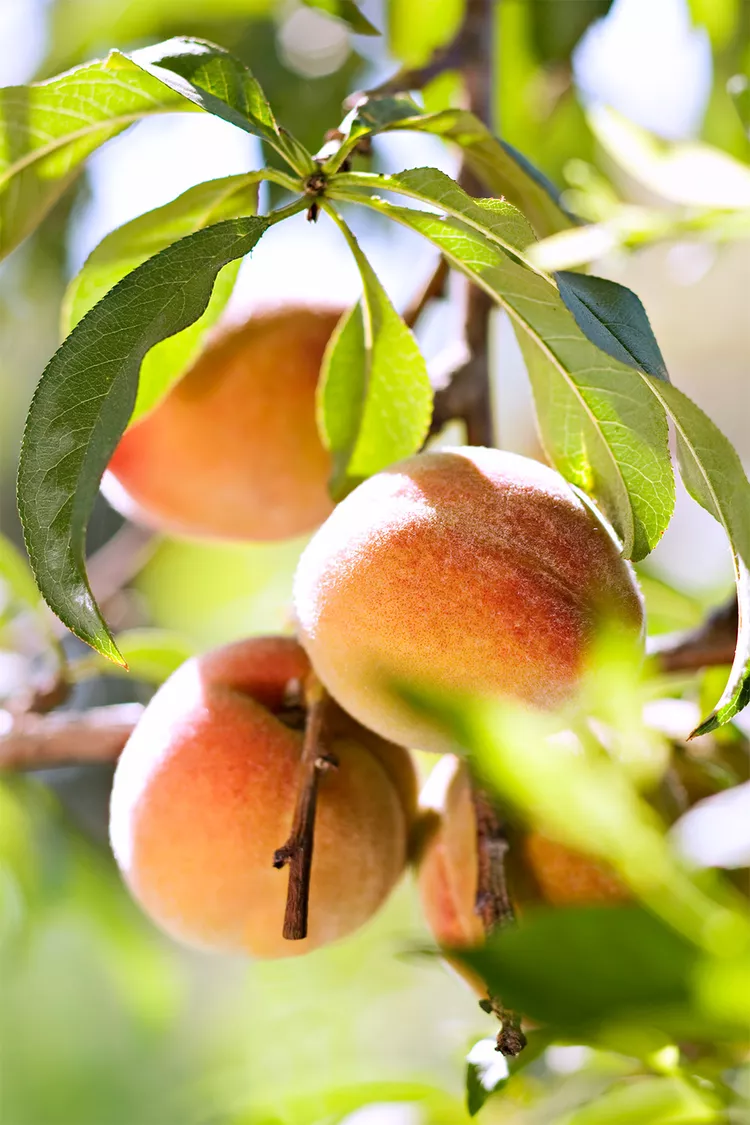
Pruning fruit trees is primarily focused on making pathways for sunlight to reach into all parts of the tree. Have you noticed that the best fruit—on apple, cherry, and peach trees for example—is usually found at the top of the tree? That’s because the top of the tree receives the most light. Selectively pruning out closely spaced interior branches will make way for light to reach more branches, encouraging fruit development throughout the canopy—not just at the hard-to-harvest tip top.

3. Tame Growth in Young Trees

Fruit trees less than 10 years old tend to produce many vigorous upright shoots called water sprouts. These non-fruiting sprouts don’t contribute to the overall structure or health of the tree and are best removed before they gain size. Cut water sprouts back to the main branch. If a young tree has few lateral or side branches, it can be encouraged to produce new branches by cutting the existing branches back by one-quarter their length. These branch tip cuts will cause the tree to create side branches a few inches from where the cut was made.  

4. Encourage New Growth in Old Trees

Pruning old fruit trees often brings many back into fruit production. The goal is to jolt the tree back into fruiting by removing years of old growth. Old, overgrown apple and pear trees take to rejuvenation pruning well. Cherry trees can be rejuvenated too. Overgrown peach and nectarine trees usually don’t do well with major pruning so take a lighter hand with them.

Begin rejuvenating an old fruit tree by removing all dead and crossing branches. Next, reduce the size of the tree if desired. Do this by cutting excessively long branches back to their origin. Continue pruning the tree yearly, removing no more than one-third of the branches each year, until the tree is the desired size. 

5. Get Rid of Problem Areas

The easiest pruning cuts to make are those that remove dead wood or crossing branches. These offending branches are usually easy to spot. Check to see if a branch is dead or alive by scraping back the uppermost layer of bark. If the branch is alive, it will look green just under the layer of bark. Crossing branches are any branches that are rubbing on nearby stems or growing into the growth zone of a dominate branch. 

6. Remove the Entire Branch

Cut an offending branch all the way back to its point of origin. Don't leave a branch stub behind. By pruning to a main branch or trunk, you prevent the tree from producing vigorous, unproductive sprouts that will add to pruning chores down the road. 

7. Thin Things Out

Gardeners tend to prune too little and too timidly rather than too much. Opt to make one or two big cuts rather than a dozen little cuts that will yield no significant results. Keep the end goal in mind—opening the tree to light and creating healthy structure—as you boldly make cuts. 

8. Clean Up Debris

Rake up and dispose of all pruning debris. When left in place under a fruit tree, this debris can become a source of disease

9. Prune Annually

Pruning is not a one-time event. When pruning is an annual late winter activity, the tree will respond with healthy growth and more fruit than an unpruned tree. Think of it this way: an investment of 30 minutes spent pruning a fruit tree each year will yield a long life for your tree and a bountiful harvest for years to come.

Related Article

Are Begonias Perennials or Annuals? Here’s What to Know
5.8K
115
41

Are Begonias Perennials or Annuals? Here’s What to Know

If you’re not sure whether begonias are perennials or annuals, we have answers. Most begonias won’t survive winters, but indoor plants can live for years.
How to Plant and Grow Pineapple Lily
47.8K
1.9K
955

How to Plant and Grow Pineapple Lily

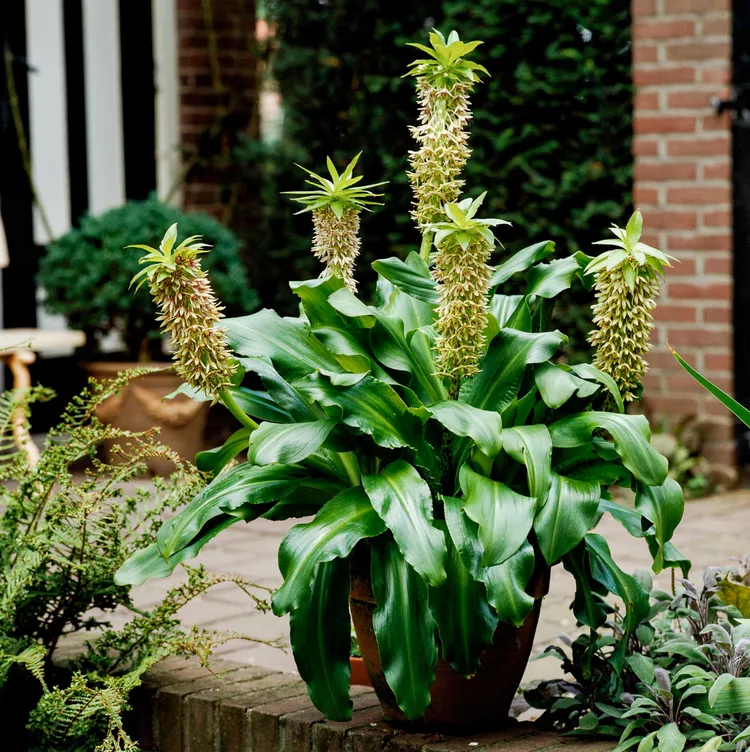
Find essential information for growing pineapple lily, a tropical tender bulb with tall, pineapple-like flower spikes.
How to Plant, Grow, and Care for Korean Rock Ferns
46K
1.4K
440

How to Plant, Grow, and Care for Korean Rock Ferns

Learn how to grow and care for Korean rock ferns indoors and out in the garden. Get essential tips on light, watering, fertilizing, and more.
How to Prune Hydrangeas for a Burst of Growth and Color
29.1K
2.3K
232

How to Prune Hydrangeas for a Burst of Growth and Color

The best way to care for hydrangeas depends on the type you have. Learn how to prune hydrangeas, from bigleaf to panicle, to get gorgeous blooms.
Grow Dusty Miller With This Complete Guide
30.7K
613
288

Grow Dusty Miller With This Complete Guide

Dusty miller is an easy-to-grow plant that adds a splash of silver to garden beds and containers. Keep dusty miller thriving with this care guide.
Best Tropical Flowers for Your Patio
28.9K
578
121

Best Tropical Flowers for Your Patio

Outdoor tropical flowering plants can help add drama to your patio. You can leave them outdoors and treat them like annuals, or keep them over winter as houseplants.
How to Propagate ZZ Plants to Grow Your Houseplant Collection
33.5K
670
261

How to Propagate ZZ Plants to Grow Your Houseplant Collection

Follow these simple tips and learn how to propagate ZZ plants from stem cuttings, leaf cuttings, and root division.
How to Plant and Grow Philodendron
11.6K
581
145

How to Plant and Grow Philodendron

Find growing information on philodendron, the perfect houseplant for new plant owners.
Here's What to Plant with Geraniums for Pretty Summer Containers
32.6K
2.6K
443

Here's What to Plant with Geraniums for Pretty Summer Containers

Learn what to plant with geraniums in containers to start a gorgeous container garden. These colorful plants combine well with many other flowers.
Gorgeous Spring Container Gardens
43.3K
3.5K
1.4K

Gorgeous Spring Container Gardens

Celebrate the gardening season with container garden ideas. Buckets, baskets, and spring planting boxes all help create space for a new transition.
How to Make a Pumpkin Succulent Centerpiece
37.5K
3.7K
1K

How to Make a Pumpkin Succulent Centerpiece

Use these simple step-by-step instructions for creating a fall pumpkin succulent planter centerpiece to decorate your dining room table all season.
How to Plant a Wheelbarrow Fairy Garden
43.1K
3.9K
1.8K

How to Plant a Wheelbarrow Fairy Garden

Create a charming miniature landscape in a vintage wheelbarrow that you can move about as you like.
How to Plant Window Boxes Like a Pro
16.8K
504
136

How to Plant Window Boxes Like a Pro

Learn how to plant window boxes, including ideas for what to plant and essential planting tips.
29 of the Best Plants for Trough Gardens
30.7K
2.1K
859

29 of the Best Plants for Trough Gardens

Raised troughs are a great way to grow small drought-tolerant perennials, succulents, and alpine plants. Here are some of the best.
10 Best Lettuce Companion Plants to Grow Together
36K
1.4K
475

10 Best Lettuce Companion Plants to Grow Together

Save space in your garden and grow more fresh produce with these 10 best lettuce companion plants.
Is Parsley a Perennial That Will Grow Back Each Year?
23.7K
709
198

Is Parsley a Perennial That Will Grow Back Each Year?

The answer to the question, "Is parsley a perennial?" is yes and no. Find out what you need to know to get the most of this popular biennial herb in your garden.
How to Plant and Grow Corn in Your Garden
45.9K
2.3K
275

How to Plant and Grow Corn in Your Garden

This guide on how to grow corn includes all the basics on planting, care, pests, harvesting, and best types to grow so you can enjoy the sweetest, freshest ears right from your own garden.
How to Grow Strawberries in Pots
5.2K
156
51

How to Grow Strawberries in Pots

From the best planters to the best plants, this guide includes everything you need to know to grow strawberries in pots.
How to Propagate Rosemary in Soil or Water
41.9K
2.1K
984

How to Propagate Rosemary in Soil or Water

Learn how to propagate rosemary plants from stem cuttings either in soil or water with these step-by-step instructions.
8 Tips for Growing Mint Indoors for a Year-Round Supply of Fresh Leaves
10.6K
952
285

8 Tips for Growing Mint Indoors for a Year-Round Supply of Fresh Leaves

These tips for growing mint indoors include how much light to give them, how frequently to water, and other essential information for the best plants.