How to Propagate Rosemary in Soil or Water

41.9K
2.1K
984
2025-10-25
How to Propagate Rosemary in Soil or Water

Rosemary (Salvia rosmarinus syn. Rosmarinus officinalis) is a fragrant and delicious culinary herb that's popular with both gardeners and cooks. And knowing how to propagate rosemary is a budget-friendly way to multiply this plant as much as you like. The easiest way to grow lots of new rosemary plants from a single mother plant is to root stem cuttings in either soil or water. Follow these tips and step-by-step instructions to get started.

Best Time to Propagate Rosemary

Rosemary can be propagated at any point during the growing season, but the best time to take rosemary cuttings is in late spring to early summer, before the plant flowers. If you want to overwinter rosemary cuttings indoors, take stem cuttings in autumn before frost hits, but check them carefully for pests before bringing them inside.

How to Propagate Rosemary Cuttings in Soil

Rooting rosemary in soil takes a little more time than water propagation, but it’s handy because the cuttings root in pots and may not need to be transplanted later on.

Step 1: Take stem cuttings.

Snip 3- to 6-inch-long cuttings from healthy rosemary stems using sharp, clean garden shears or scissors. Clip cuttings directly above a leaf node to encourage the mother plant to branch. Remove any leaves on the lower 2 inches of the cuttings with your fingers.

Look for rosemary stems to cut that are actively growing, flexible, and flush with green leaves. Rosemary plants become woody as they age, and woody stems are much harder to propagate.

Step 2: Apply rooting hormone.

Dip the cut ends of the rosemary stems in water and dab them in a dish of rooting hormone powder. Rooting hormone isn’t strictly required, but it helps cuttings root faster and can ward against rot.

Step 3: Plant the cuttings.

Fill up small pots with a well-draining, potting mix or damp sand and poke narrow planting holes in the substrate with a pencil or chopstick. Place a rosemary cutting in each planting hole so that the leaves are above the soil line, and then firm the potting mix around the base of each cutting. If you’re rooting multiple rosemary plants in the same pot, space the cuttings at least 3 inches apart.

Step 4: Provide water, humidity, and light.

Give the cuttings water until it runs out the bottom of the pots. Then, place a clear plastic dome or bag over the cuttings to boost humidity levels around the cuttings and keep the soil from drying out as fast. Set the pots under a grow light or on a windowsill that receives bright, indirect light, and water them regularly so that the soil stays damp but not soggy.

Step 5: Check for roots.

Rosemary cuttings take about four to eight weeks to root in soil. Any cuttings that turn brown or drop leaves during this time aren’t rooting and should be composted. You’ll know the cuttings have rooted when they start to grow new leaves and you can’t easily lift them out of the soil with your fingers. At this point, you can either keep the rosemary cuttings in their original pots, repot them into larger containers, or harden off and transplant the cuttings into your garden after the last frost date of spring.

How to Propagate Rosemary in Water

Rooting rosemary cuttings in water can be tricky because water-propagated herbs are more prone to rotting. However, if you keep your containers clean, this technique is useful, and cuttings usually root even faster in water.

Take cuttings from a rosemary plant as described in the first step above. Then place the cuttings in a clean vase or other vessel with about 1 inch of water, making sure no leaves are sitting below the water line or they will rot. Refresh the water every few days and toss out cuttings that start to brown or drop leaves.

Use a clear glass container to propagate rosemary in water so you can more easily keep track of the water level and spot sprouting roots.

Rosemary cuttings should begin to develop roots in about two to six weeks when propagated in water. After the cuttings develop four or five roots that are roughly a half-inch long, plant the cuttings in potting mix. Keep the cuttings in bright, indirect light and water regularly.

Caring for Rooted Rosemary Plants

When the rooted cuttings start to produce new growth, you can continue to grow your new rosemary plants indoors or harden off the plants and transplant them into your garden after the danger of frost in spring has passed. Established rosemary should receive at least six to eight hours of bright light daily, and it should not be watered too often, because rosemary is prone to root rot. A good rule of thumb is to water rosemary plants only when the top 1 inch of soil feels dry.

Outdoor rosemary doesn’t need much fuss and is relatively resistant to pests. However, rosemary grown indoors is prone to drying out due to dry indoor air. To avoid this, keep rosemary plants on pebble trays or grow them near a humidifier.

Related Article

Are Begonias Perennials or Annuals? Here’s What to Know
5.8K
115
41

Are Begonias Perennials or Annuals? Here’s What to Know

If you’re not sure whether begonias are perennials or annuals, we have answers. Most begonias won’t survive winters, but indoor plants can live for years.
How to Plant and Grow Pineapple Lily
47.8K
1.9K
955

How to Plant and Grow Pineapple Lily

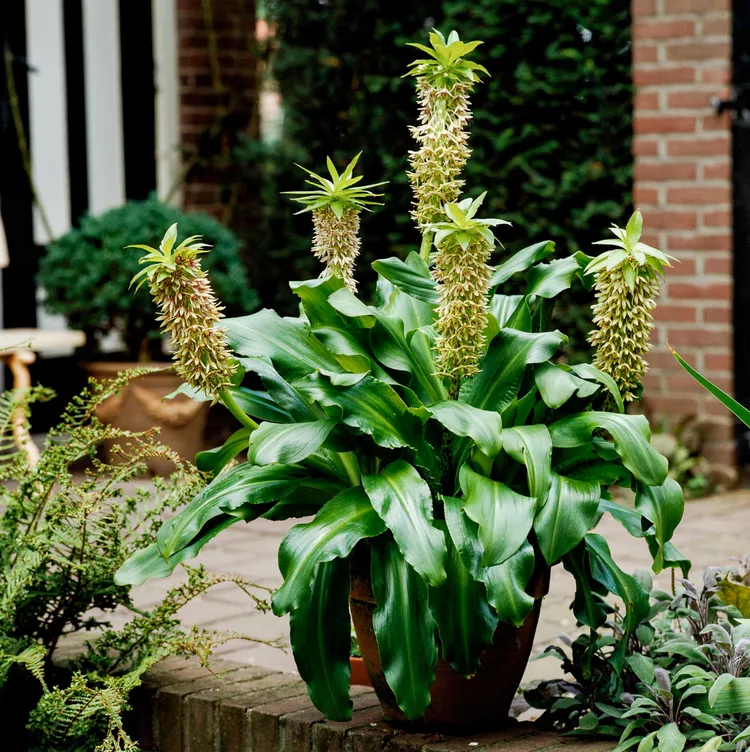
Find essential information for growing pineapple lily, a tropical tender bulb with tall, pineapple-like flower spikes.
How to Plant, Grow, and Care for Korean Rock Ferns
46K
1.4K
440

How to Plant, Grow, and Care for Korean Rock Ferns

Learn how to grow and care for Korean rock ferns indoors and out in the garden. Get essential tips on light, watering, fertilizing, and more.
How to Prune Hydrangeas for a Burst of Growth and Color
29.1K
2.3K
232

How to Prune Hydrangeas for a Burst of Growth and Color

The best way to care for hydrangeas depends on the type you have. Learn how to prune hydrangeas, from bigleaf to panicle, to get gorgeous blooms.
Grow Dusty Miller With This Complete Guide
30.7K
613
288

Grow Dusty Miller With This Complete Guide

Dusty miller is an easy-to-grow plant that adds a splash of silver to garden beds and containers. Keep dusty miller thriving with this care guide.
Best Tropical Flowers for Your Patio
28.9K
578
121

Best Tropical Flowers for Your Patio

Outdoor tropical flowering plants can help add drama to your patio. You can leave them outdoors and treat them like annuals, or keep them over winter as houseplants.
How to Propagate ZZ Plants to Grow Your Houseplant Collection
33.5K
670
261

How to Propagate ZZ Plants to Grow Your Houseplant Collection

Follow these simple tips and learn how to propagate ZZ plants from stem cuttings, leaf cuttings, and root division.
How to Plant and Grow Philodendron
11.6K
581
145

How to Plant and Grow Philodendron

Find growing information on philodendron, the perfect houseplant for new plant owners.
Here's What to Plant with Geraniums for Pretty Summer Containers
32.6K
2.6K
443

Here's What to Plant with Geraniums for Pretty Summer Containers

Learn what to plant with geraniums in containers to start a gorgeous container garden. These colorful plants combine well with many other flowers.
Gorgeous Spring Container Gardens
43.3K
3.5K
1.4K

Gorgeous Spring Container Gardens

Celebrate the gardening season with container garden ideas. Buckets, baskets, and spring planting boxes all help create space for a new transition.
How to Make a Pumpkin Succulent Centerpiece
37.5K
3.7K
1K

How to Make a Pumpkin Succulent Centerpiece

Use these simple step-by-step instructions for creating a fall pumpkin succulent planter centerpiece to decorate your dining room table all season.
How to Plant a Wheelbarrow Fairy Garden
43.1K
3.9K
1.8K

How to Plant a Wheelbarrow Fairy Garden

Create a charming miniature landscape in a vintage wheelbarrow that you can move about as you like.
How to Plant Window Boxes Like a Pro
16.8K
504
136

How to Plant Window Boxes Like a Pro

Learn how to plant window boxes, including ideas for what to plant and essential planting tips.
29 of the Best Plants for Trough Gardens
30.7K
2.1K
859

29 of the Best Plants for Trough Gardens

Raised troughs are a great way to grow small drought-tolerant perennials, succulents, and alpine plants. Here are some of the best.
10 Best Lettuce Companion Plants to Grow Together
36K
1.4K
475

10 Best Lettuce Companion Plants to Grow Together

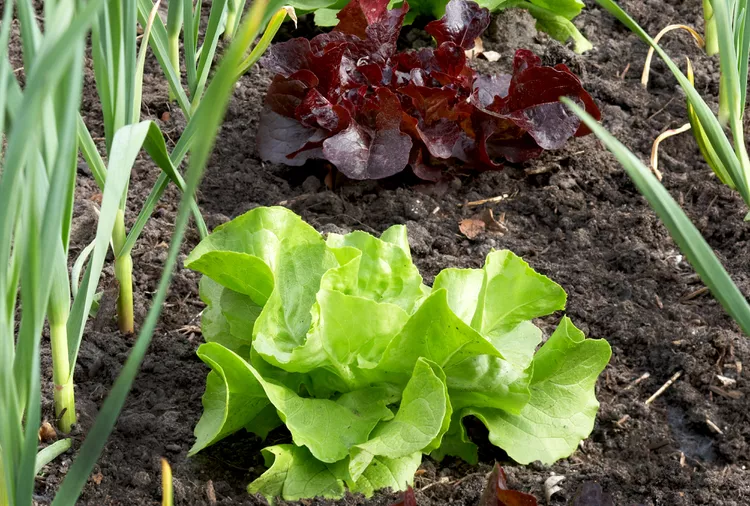
Save space in your garden and grow more fresh produce with these 10 best lettuce companion plants.
Is Parsley a Perennial That Will Grow Back Each Year?
23.7K
709
198

Is Parsley a Perennial That Will Grow Back Each Year?

The answer to the question, "Is parsley a perennial?" is yes and no. Find out what you need to know to get the most of this popular biennial herb in your garden.
How to Plant and Grow Corn in Your Garden
45.9K
2.3K
275

How to Plant and Grow Corn in Your Garden

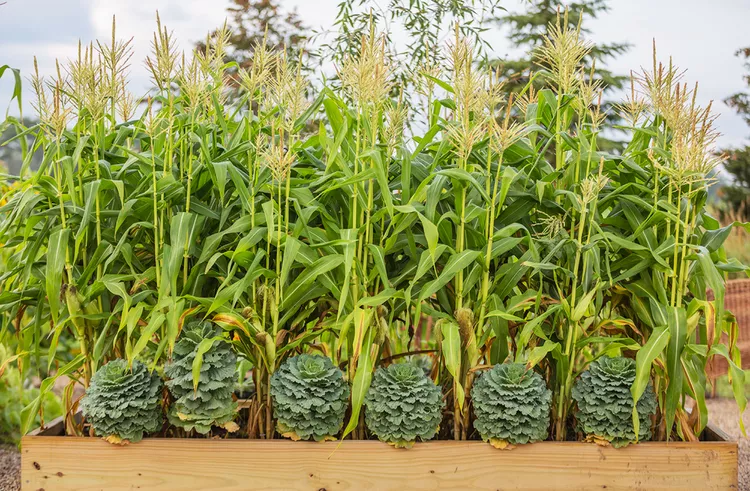
This guide on how to grow corn includes all the basics on planting, care, pests, harvesting, and best types to grow so you can enjoy the sweetest, freshest ears right from your own garden.
How to Grow Strawberries in Pots
5.2K
156
51

How to Grow Strawberries in Pots

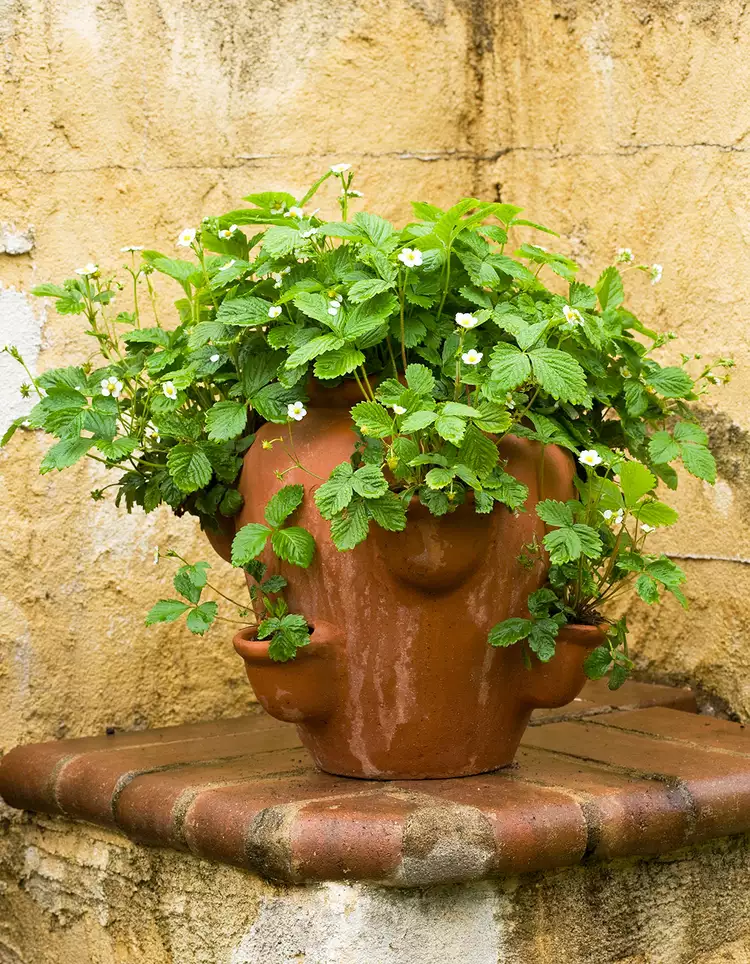
From the best planters to the best plants, this guide includes everything you need to know to grow strawberries in pots.
How to Propagate Rosemary in Soil or Water
41.9K
2.1K
984

How to Propagate Rosemary in Soil or Water

Learn how to propagate rosemary plants from stem cuttings either in soil or water with these step-by-step instructions.
8 Tips for Growing Mint Indoors for a Year-Round Supply of Fresh Leaves
10.6K
952
285

8 Tips for Growing Mint Indoors for a Year-Round Supply of Fresh Leaves

These tips for growing mint indoors include how much light to give them, how frequently to water, and other essential information for the best plants.