
Spinach is a fast-growing and easy-to-grow garden staple. Best grown in spring or fall, spinach can provide three seasons of fresh leaves with a little care. Whether as a topping on a blue cheese burger, part of a healthy breakfast scramble, or a star ingredient in this game-day dip, there are hundreds of reasons to grow your own spinach. This guide explains the basics to get you started.
Spinach Overview
| Genus Name | Spinacia oleracea |
| Common Name | Spinach |
| Plant Type | Annual, Vegetable |
| Light | Part Sun, Sun |
| Height | 6 to 24 inches |
| Width | 6 to 12 inches |
| Foliage Color | Blue/Green |
| Special Features | Good for Containers |
| Zones | 10, 11, 2, 3, 4, 5, 6, 7, 8, 9 |
| Propagation | Seed |
Where to Plant Spinach
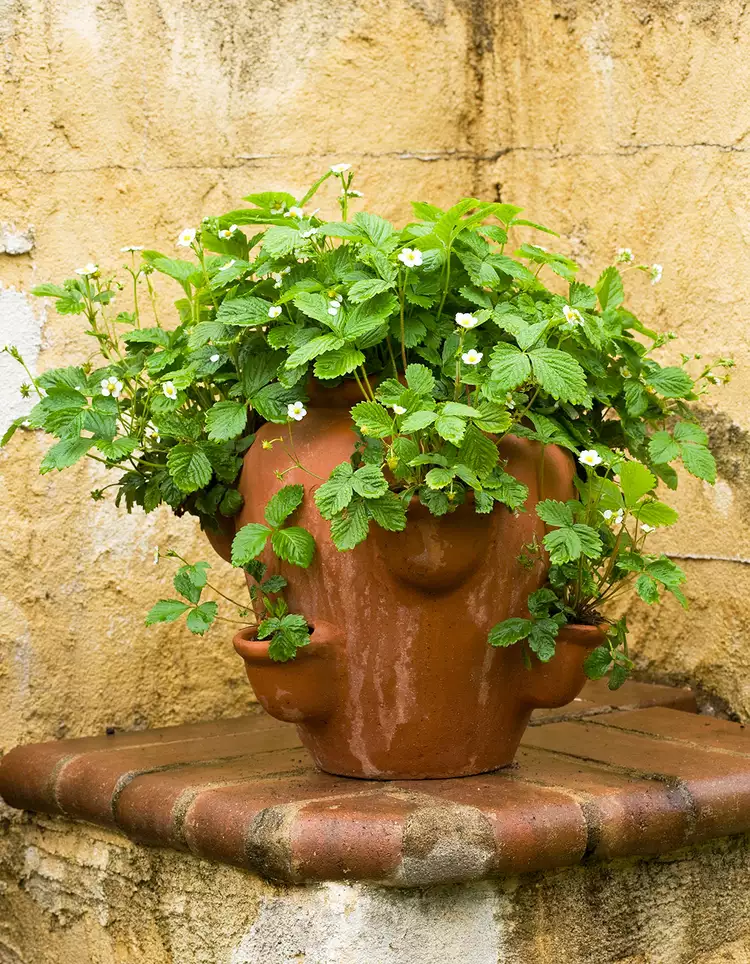
Spinach grows equally well in containers or garden beds. Choose a site with good drainage and a neutral soil pH. To keep the leaves clean, avoid dusty areas, like near a highway or gravel parking area. This rapid-growing plant prefers full sun but will do fine in some shade, especially during late afternoon.
Leave room for a succession planting, or underplant spinach elsewhere in your garden as the days warm up. To maximize garden productivity, sow spinach in succession about every two weeks in spring or in late summer to fill holes in the garden where lettuces, radishes, or other crops were removed.
How and When to Plant Spinach
Planting can begin in early spring, as soon as the soil can be worked—usually when the soil warms to at least 40°F. For a fall and early winter crop, sow seeds in late summer to early autumn, about six weeks before your first frost.
To direct sow spinach seeds in the garden:
- Use your finger or a trowel to make a trench about ½ inch deep in well-draining soil.
- Space the rows about 12 inches apart.
- Drop spinach seeds—about one every inch—in the trench.
- Cover the seeds and firm the soil. Then water well.
Thin the young spinach by removing alternate plants. Use the thinned out seedlings in the kitchen, if you like.
Choose slow-bolting or heat-resistant varieties for early planting to provide a spring and early summer harvest. Faster-growing varieties are best planted in late summer or early autumn, as they won’t get a chance to bolt before cool weather and shorter days arrive. Choosing bolt-resistant varieties (sometimes called heat-resistant) can extend harvests in the spring. The long summer days, when daylight stretches to 14 hours or more, trigger many spinach varieties to bolt.
As the summer sun increases the soil temperature, spinach seeds germinate poorly. If the soil is too warm for direct seeding in late summer, try cooling it with irrigation or start spinach indoors and transplant it in a couple of weeks.
In autumn, spinach is a stellar performer and often continues growing and producing leaves well into winter. Once established, it can handle temperatures down to the low twenties. Spinach grown in colder weather is sweeter—the leaves develop sugars to protect from freezing.
Spinach Care Tips
Spinach is easy to grow when its basic needs are met. With adequate soil moisture and a little mulch, it will continue producing tasty leaves for a long time. Spinach is a cut-and-come-again crop that benefits from succession planting. The leaves are best when small or medium-sized and tender; older leaves can lose flavor or become bitter and tough.
Light
In spring, fall, and especially winter, spinach does best with a location in full sun but will grow in part shade. During warmer months, spinach enjoys morning sun and afternoon shade or dappled light provided by nearby taller plants.
Soil and Water
Spinach loves loose, loamy soil that is well drained. Adding compost or aged manure before planting can help improve your soil if needed. Spinach prefers soil with a neutral pH of 6.5-7.0.
Provide evenly moist soil, aiming for 1-2 inches of water per week in most soil types. Mulching around the plants will help conserve soil moisture and cool the soil. If it hasn’t rained recently, stick your finger a few inches deep in the soil under the plant. If it feels dry deeper than the first knuckle, go ahead and water.
Temperature and Humidity
Spinach grows (and tastes) best in the cool temperatures of spring and fall, between about 35℉ and 70°F. Warm temperatures cause spinach to bolt (send up a stalk and flower), which makes the leaves bitter and less prolific. Plant bolt-resistant varieties in warmer months.
Mulching the roots and covering spinach with a cold frame can extend the lower temperature range quite a bit farther. Spinach protected this way in northern gardens can hang on into December.
Fertilizer
Compost worked into the bed before planting time is all spinach needs in most garden soils.
Spinach grown in containers benefits from a high nitrogen (the first number in an N-P-K fertilizer rating) product applied when watering according to the directions on the package.
Potting and Repotting
Spinach is an excellent container plant. Fill a container with high-quality potting mix amended with compost. The plants don't need a lot of root space—a container 12 inches deep is sufficient. Select a container that is wide enough to support the number of plants you need. Sow the seeds 1 to 2 inches apart and thin them to 2 to 3 inches apart for young greens or 4 to 6 inches apart for full-size spinach plants. No repotting is needed with this annual vegetable.
Pests and Problems
Aphids can be a problem in spinach patches. Wash them off with a strong stream from a hose, or squish them with your fingers. Be sure to check the undersides of leaves if you see symptoms of aphid damage. If you encounter an infestation, you can safely apply neem oil up to the day of harvest as long as you wash the leaves well after you harvest them.
How to Propagate
Although spinach is easy to grow from seeds, you can propagate existing plants by taking cuttings and rooting them in water. Take a few 6-inch cuttings from the tips of a mature plant and put them in a glass of water. Set the jar in a sunny spot and wait for the roots to appear. When they do, transplant the new plants to the garden.
Types of Spinach
‘America’
Spinacia oleracea ‘America’ is a heat-resistant, open-pollinated variety that is excellent for spring planting and longer-day length growing. This drought-resistant spinach is slow to bolt and a good choice for hot, dry conditions. It grows 8 inches tall.
‘Norfolk’
Spinacia oleracea ‘Norfolk’ is an heirloom variety and an excellent autumn performer. Its long, narrow, deeply savoyed leaves are prized for their excellent taste, especially after frost. It grows 10 inches tall and 2 inches wide on semi-upright plants.
‘Kolibri’
Spinacia oleracea ‘Kolibri’ is a fast grower, which is ideal for cut-and-come-again harvests. The semi-savoy leaves are less crinkled than other varieties for easier washing. It is highly resistant to downy mildew and grows 8 inches tall with a 12-inch spread.
‘Giant Noble’
Spinacia oleracea ‘Giant Noble’ is an heirloom variety that grows into a huge 20-inch-tall plant with an enormous 25-inch spread at maturity. It has a slightly sweet flavor and is bolt-resistant. Its extra-thick leaves are perfect for blanching and freezing.
Spinach Companion Plants
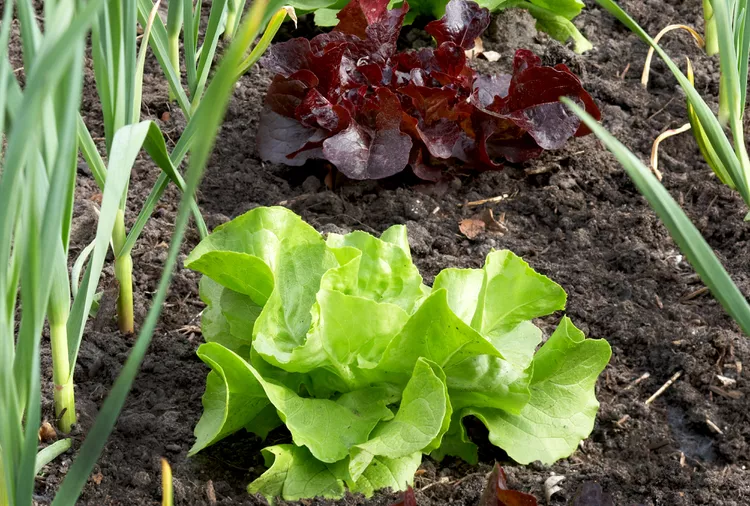
The best spinach companion plants are other cold-hardy crops that thrive in spring and fall. Lettuces are common companion plants for spinach, but consider peas, root vegetables, and brassicas, which get along well in the garden and as spinach companions in the kitchen.
Garden Plan for Spinach
This Three-Season Raised-Bed Veggie Garden Plan shows how to incorporate spinach into your garden in spring and fall.