Bay leaf plant (Laurus nobilis), also known as bay laurel, is a tree or shrub that grows in warm, humid climates. The fragrant, dark green leaves add flavor to sauces, soups, stews, and other dishes, but they are typically removed before serving. Native to Mediterranean regions, these plants are slow-growing and can be planted in containers indoors or outdoors or directly in the ground, depending on your region. Here’s what you need to grow a bay leaf plant in your backyard or indoors.
Bay Leaf Overview
| Genus Name | Laurus nobilis |
| Common Name | Bay Leaf |
| Additional Common Names | Bay laurel, Bay leaf tree, Laurel, Sweet bay |
| Plant Type | Shrub, Tree |
| Light | Sun |
| Height | 10 to 60 feet |
| Flower Color | Yellow |
| Foliage Color | Blue/Green |
| Zones | 10, 8, 9 |
| Propagation | Stem Cuttings |
Where to Plant a Bay Leaf Plant
Bay leaf needs a lot of sun to flourish. When planting it outdoors, choose a location with plenty of sunlight and space to grow. These plants take up a lot of room, so don’t crowd them with other plants. Bay leaf is hardy in USDA Zones 8–10. In cooler regions, plant it in containers that can be moved to a sheltered area when cold weather arrives.
When growing bay leaf indoors, choose a sunny window to ensure the plant receives plenty of indirect, bright light.
The leaves of bay leaf plants are toxic to pets and horses when ingested, so keep them out of the reach of animals.
How and When to Plant Bay Leaf
Bay leaf trees and shrubs are native to the Mediterranean region and grow in humid climates. Plant them in the spring or early summer when the chance for frost has passed. Bay leaf trees can be grown directly in the soil or in containers. If you grow outside the Hardiness Zone of 8-10, plant them in tall, deep containers so you can bring them indoors during the colder months.
When the temperature drops below 50°F, that’s your cue to bring them inside and put them near a sunny window. Bay leaf trees and shrubs won’t survive when the temperature dips below 20°F, so keep this in mind when deciding whether it’s best to plant outdoors and move them inside during the colder months or grow them indoors year-round.
Bay Leaf Plant Care Tips
Bay leaf plants are easy to grow and rewarding. They thrive when their basic needs are met.
Light
Grow a bay leaf shrub or tree in an area that receives full sun. Ideally, it should receive at least six hours of sunlight daily.
Soil and Water
Bay leaf plants need well-draining soil to thrive. They do best in soil with a pH of 6.0 to 7.0 but can be grown in soil with a pH ranging from 4.5 to 8.3. When growing this plant indoors year-round, use a well-draining potting mix.
Bay leaf needs to be watered regularly so the soil stays moist but never wet. These plants are prone to root rot if the soil stays waterlogged for long periods. Let the top soil dry out slightly before watering again.
Temperature and Humidity
Bay leaf plants grow best between 60°F and 70°F, and they enjoy humidity. When growing them indoors, mist the leaves often or increase the humidity by placing the container over a garden tray of wet rocks or pebbles. Another option is to add a plant humidifier to your home.
Fertilizer
Bay leaf plants don’t usually need fertilizer when grown outdoors in soil. However, if you’re growing this plant in a container, add an organic, balanced fertilizer in spring.
Pruning
Pruning a bay leaf plant helps maintain its size and shape and promotes new growth. Prune in the winter to early spring when the plant isn’t actively growing,
Potting and Repotting a Bay Leaf
These plants grow easily in containers and like to be comfy and snug, so it’s OK for them to be somewhat rootbound. A 2-foot-tall pot can support a bay leaf plant that reaches 5 to 6 feet tall. Typically, you’ll need to repot them every five years or so.
Pests and Problems
Fungal diseases, including anthracnose, powdery mildew, and phytophthora, can afflict bay leaf plants.
- Anthracnose turns the tips of the leaves black or brown. Prune the affected leaves with sterilized shears and add fungicide to the soil.
- Powdery mildew affects many plants because its spores spread quickly. To minimize powdery mildew, avoid overcrowding your plants and ensure ample air circulation.
- Phytophthora root rot is a common problem for bay leaves, appearing as slime-like or gummy streaks on the bark. Avoid overwatering or keeping the soil wet, which can lead to root rot.
Bay leaf plants don’t have many pests, but it’s a good idea to check the leaves of your plant for any unwanted bugs. When bay leaf grows indoors, monitor the plants for mealybugs and spider mites. If you detect them, treat the leaves with insecticidal soap or neem oil.
How to Propagate a Bay Leaf Plant
Bay leaf can be propagated by stem cuttings. You'll need hand pruners, containers, rooting hormone, sand, and plastic coverings.
- Snip a 6-inch cutting of a green branch with sterilized pruners and remove the leaves from the bottom half of the cutting.
- Fill small containers with moist sand.
- Dip each cutting in rooting hormone before planting it in a pot of sand.
- Loosely cover each pot with a clear plastic bag to maintain humidity.
- Put the pots in a warm area where they’ll receive bright indirect light.
Roots typically develop after a month or two. You can check by gently moving or tugging the cutting—if there is resistance, there are roots. At this point you can repot the rooted cutting into a larger container with potting mix.
Harvesting Bay Leaf
Once the tree is established, you can begin harvesting the leaves when you need them. Gently pick them or use shears to snip the leaves off the stem. Be mindful of how much you harvest, and never take more than a third of the leaves at any one time.
Types of Bay Leaf
Most bay leaf trees and shrubs grow slowly to 12 to 40 feet tall, but they are often pruned to 8 feet or less.
‘Angustifolia’
Laurus nobilis ‘Angustifolia’ has narrower leaves than the common bay leaf variety and is often grown as an ornamental tree. It has a compact habit and grows to 10-20 feet tall, although it can be pruned smaller for a container or shaped as a topiary.
‘Aureus’
When new leaves of Laurus nobilis ‘Aureus’ cultivar emerge, they are bright lime green, then a gorgeous yellow, eventually darkening to dark green. This bay leaf plant grows slowly to 30 feet tall and enjoys both full sun and part shade.
‘Saratoga’
Laurus nobilis ‘Saratoga’ is relatively small as bay leaf plants go, but it can reach a height of 25 feet in ideal conditions. It has rounded, light green leaves and is an excellent variety for use in the kitchen.
Bay Leaf Companion Plants
Rosemary
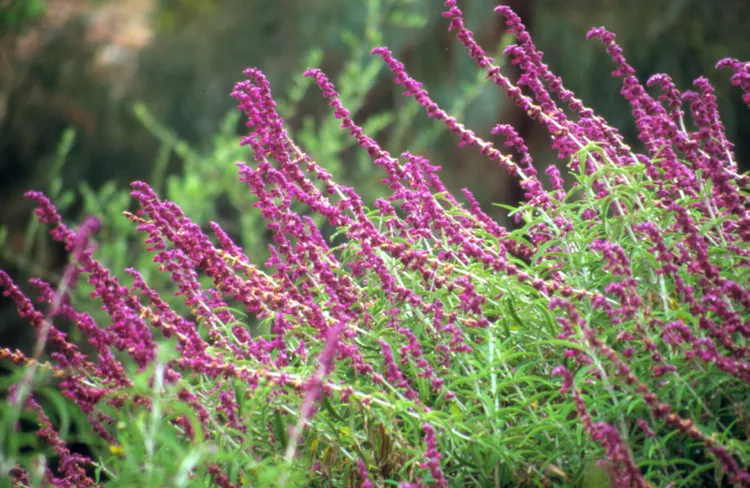
Bay leaf plants grow well with rosemary and other culinary herbs, including thyme and parsley. Rosemary grows as a perennial evergreen shrub in Zones 8–10 and as an annual in cooler zones. Like most bay leaf plants, it enjoys full sun. It quickly grows to 3 feet tall.
Beans
Growing bay leaf plants alongside beans is thought to increase the beans’ flavor and improve growth. Both plants grow well in full sun and well-draining soil.
New